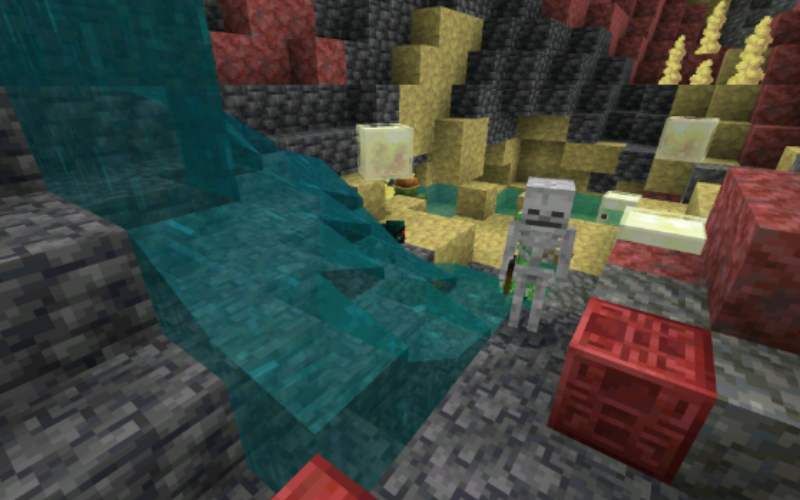
Minecraft has kept players engaged for over a decade through one core design principle: visible, achievable progression. Every update, including the recent Chaos Cubed content drop, adds new milestones for players to chase — new caves, new crafting materials, new mobs to discover. Event organizers running summits, conferences, or ticketed experiences can borrow the same principle to keep attendees engaged from registration through the closing session.
Why Progression Systems Work
Games like Minecraft succeed because progress is small, visible, and frequent. Players don’t wait for one big reward at the end — they unlock something new every few minutes: a block, a biome, an achievement. That steady feedback loop is what keeps people coming back. This is closely tied to why collecting and completion feel rewarding in the first place — a psychological pattern organizers can design around directly.
The same psychology applies to live events. Attendees who can see their own progress — sessions attended, badges earned, connections made — stay more engaged than attendees working toward a single, distant reward like a raffle at the end of the day.
Applying This to Events & Summits
Check-in as a first milestone. Do not treat registration as a routine formality. Instead, design registration as the first major unlock. For example, offer a small perk or early access. Similarly, a Minecraft update gives players an immediate discovery. Consequently, instant rewards build momentum right from the start.
Session attendance as visible progress. Track attendance with a simple points or badge system, shown on an app or physical badge, the same way Minecraft shows players what they’ve built or discovered.
Networking as mini-milestones. Break networking goals into small, achievable steps — meeting three new people, joining a roundtable — rather than a vague “network more” expectation.
3 Practical Takeaways for Organizers
- Design small, achievable wins from the start — starting at registration, not just at the end of the event.
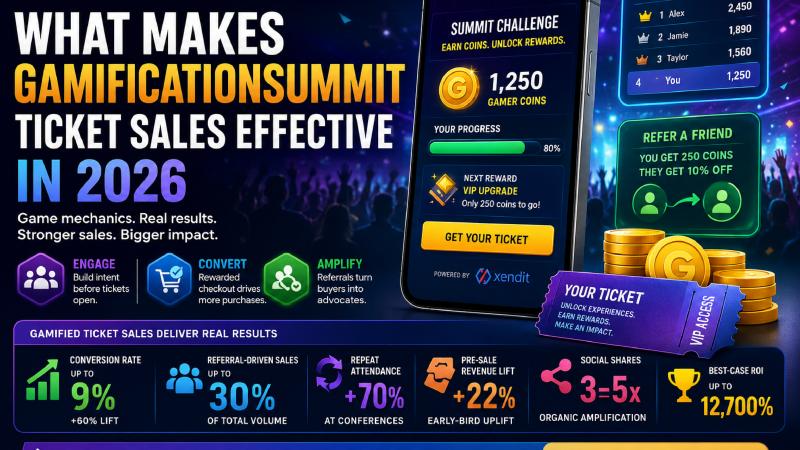
- Make progress visible — a leaderboard, a badge wall, or an app progress bar gives attendees the same steady feedback loop that keeps Minecraft players engaged update after update.
- Leave room for surprise rewards — Minecraft’s Sulfur Cube and hidden mechanics reward curiosity; a surprise session, unexpected perk, or hidden networking prompt can do the same for attendees.
Chaos Cubed itself is a useful example of this in practice: it doesn’t just add content, it adds discoverable content — new caves, a reactive mob, new building materials — that rewards players for exploring rather than just progressing linearly. Players can Minecraft latest version free download to try the current build and see this progression design firsthand.
Why This Matters for Gamification Strategy
FAQ
Why does progression design improve attendee engagement?
Small, visible milestones give attendees regular feedback and a reason to keep participating, instead of waiting for one reward at the end of the event.
How can organizers add progression without new software?
Simple methods work too — a stamped card, a printed checklist, or a staffed badge station can create the same visible-progress effect as a digital system.
Does this apply to virtual and hybrid events, not just in-person ones?
Yes. Session tracking, digital badges, and app-based progress bars apply the same principle online, and often make progress even easier to display.

Julian Thorne is a distinguished Technical Strategist and Fintech Analyst with over 6 years of experience in digital payment architectures. Specializing in the integration of high-performance gateways like Xendit, he focuses on optimizing the intersection of gamification and online ticketing systems. Julian’s expertise lies in deconstructing complex payment flows and enhancing sales effectiveness through data-driven insights. His recent work deeply explores the evolution of digital event platforms in 2026, providing actionable strategies for global summits and large-scale ticketing infrastructures.
Learn more about our team OR Get in touch