
Event organizers juggle a thousand small emergencies before doors even open — the AV feed cutting out, badge printers jamming, a caterer running late. First aid rarely makes that list, and it usually takes a real scare for anyone to notice it should. If you’re planning a conference, trade show, or community gathering near Vaughan, booking Coast2Coast Vaughan First Aid Training for one team member belongs near the top of your checklist, not the bottom. It costs less than most people assume, and it can turn an emergency into a story that ends with someone walking out fine.
Key Takeaways
- Cardiac arrest survival outside a hospital sits under one in ten, but immediate CPR can double or triple those odds.
- Ontario’s OHSA and WSIB tie first aid coverage to worker count and risk, and venues often require proof anyway.
- One certified staff member per shift, per floor, is the minimum benchmark for a mid-size event.
- Blended CPR courses finish in a single day, easy to slot into event prep.
- Certifying one person costs far less than an incident, an insurance claim, or a WSIB investigation.
Why Does One Untrained Room Full of People Change Everything?
Think about the last event you ran — two hundred people, maybe five hundred, packed into a ballroom near the Vaughan Metropolitan Centre corridor. Nobody plans for a medical emergency, but the bigger the crowd, the higher the odds something happens: a fainting spell, a severe allergic reaction, a cardiac event. Fewer than one in ten Canadians survive a cardiac arrest that happens outside a hospital, per the Heart & Stroke Foundation, though immediate CPR can double or triple those odds.
What Actually Happens When Someone Collapses at Your Event?
Picture it. Someone goes down near the registration table and attendees freeze, unsure who’s in charge. Security calls 911, the right move, but paramedics navigating a corridor near Steeles Avenue West and Jane Street can take several minutes, longer if traffic near the Vaughan Metropolitan Centre and TTC subway is backed up. Those minutes aren’t neutral — they’re often the gap between someone walking out fine and someone who doesn’t.
Is First Aid Training Actually a Legal Requirement in Ontario?
This is where a lot of organizers get it wrong. Under Ontario’s Occupational Health and Safety Act, workplaces — including event venues and their vendors — carry obligations tied to first aid coverage, and WSIB sets requirements based on worker count and the nature of the work. If you’re running the event as an employer with staff on the floor, those requirements likely apply directly, and most venues now expect proof someone on-site is certified before finalizing a rental.
What Should Event Organizers Do Before Their Next Event?
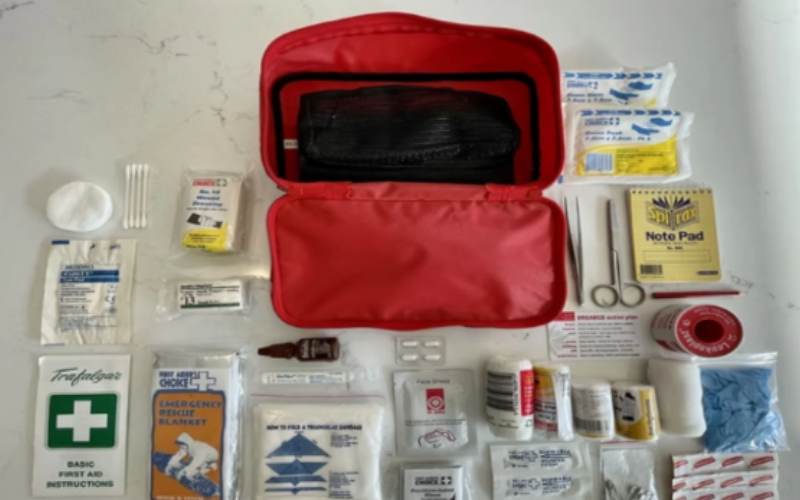
Start simple. Designate at least one staff member per shift, per venue floor, who holds a current CPR and first aid certification — don’t assume last year’s card still counts. Keep a stocked first aid kit somewhere marked and easy to find, and brief your venue’s security team on where your certified staff will be positioned.
Training doesn’t have to eat your whole week. Blended courses pairing short online theory with an in-person skills session let organizers get certified without losing a full workday, so you can check available dates and slot a session into your setup timeline.
What Does It Actually Cost to Get Someone Certified?
Less than most organizers assume, and far less than an ambulance bill or a lawsuit. A standard course runs a few hours of in-person time plus a short online module. Compare that against the real exposure: a serious incident can mean reputational damage, an insurance claim, a WSIB investigation, and a preventable injury you’ll never forget. Leaning on a venue’s own medical staff can work for a large arena, but rarely for a mid-size conference, where “someone will handle it” usually means nobody will.
Does This Actually Matter for a One-Day Event?
Yes — arguably more than it matters for a regular office. A one-day conference means unfamiliar faces and layout, with no institutional memory of who actually knows first aid, unlike a normal workplace where a colleague trained years ago might still be around. That’s where a dedicated local training partner earns its keep for organizers across the Vaughan corridor: practical, blended certification, and cheap insurance against the worst version of your event story.
About Coast2Coast First Aid & Aquatics
Coast2Coast First Aid & Aquatics was founded in Toronto in 2014 and holds the Top 3 Canadian Red Cross Training Partner distinction for 2023, 2024, and 2025. It’s a Heart & Stroke accredited trainer with 150,000+ students certified at a 99.9% success rate across 30+ locations in Canada and the U.S., digital certificates within 48 hours, and a free 90-day skills practice retake for every student.
If you are organizing events near Steeles Avenue West and Jane Street, close to the Vaughan Metropolitan Centre and TTC subway, or anywhere in the surrounding corridor, certified first aid and CPR training is available locally to support your event team.
FAQs
Do I legally need a certified first aider at a one-day conference in Ontario? It depends on your role. If you’re the employer of staff working the event, Ontario’s Occupational Health and Safety Act and WSIB set out first aid coverage requirements tied to worker count and risk. Even outside those rules, most venues expect a certified person on-site before approving your booking.
How many certified staff should a mid-size event have? A common rule of thumb is at least one certified person per shift on every floor or zone. For events with a few hundred attendees, two or three spread across the space is safer than one.
How long does it take to get CPR and first aid certified? Blended courses combining online theory with an in-person skills session can usually be completed in a single day, making them realistic to schedule around event prep.
What’s the actual survival benefit of having someone trained on-site? Immediate CPR can double or triple a person’s chance of surviving cardiac arrest, per the Heart & Stroke Foundation. A trained responder already in the room matters more than how fast outside help can arrive.
Does a first aid certification expire? Yes. Certifications are valid for a set period before renewal, so confirm a staff member’s card is current rather than assuming a past course still counts.
This article is for general information and is not medical, legal, or claims advice. Workplace first aid and safety requirements vary by role and location; confirm specific obligations with Ontario’s Ministry of Labour, Immigration, Training and Skills Development or WSIB before finalizing a training plan.

Julian Thorne is a distinguished Technical Strategist and Fintech Analyst with over 6 years of experience in digital payment architectures. Specializing in the integration of high-performance gateways like Xendit, he focuses on optimizing the intersection of gamification and online ticketing systems. Julian’s expertise lies in deconstructing complex payment flows and enhancing sales effectiveness through data-driven insights. His recent work deeply explores the evolution of digital event platforms in 2026, providing actionable strategies for global summits and large-scale ticketing infrastructures.
Learn more about our team OR Get in touch