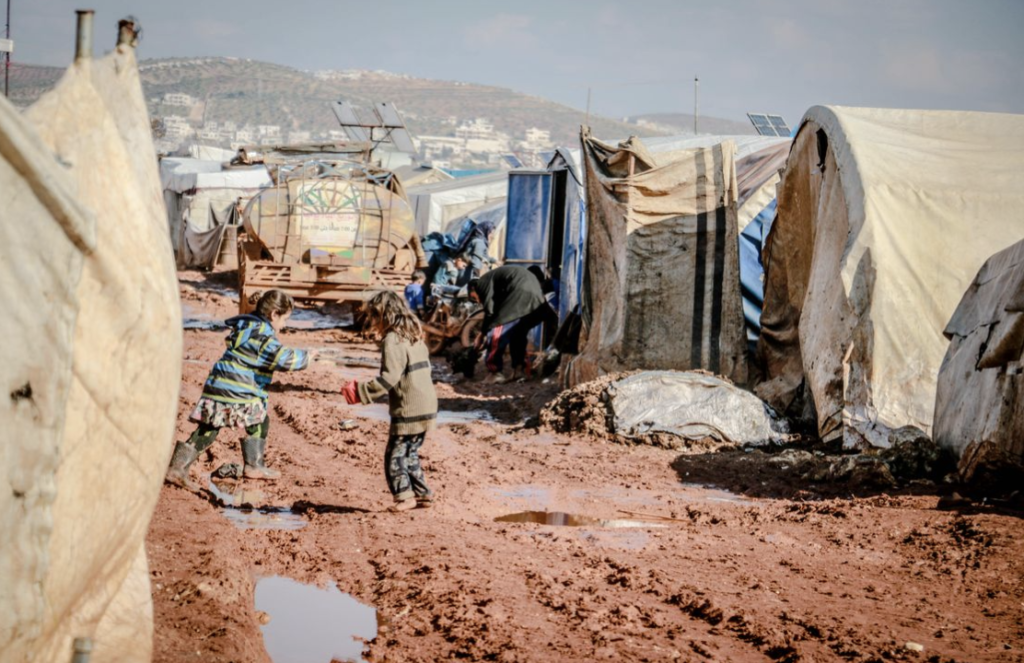
Why do some children recover from conflict more successfully than others, even when they experience similar hardships?
While every child’s experience is unique, research shows that recovery is often shaped by the support systems surrounding them. Food, shelter, healthcare, and safety are essential, but children also need opportunities to reconnect with supportive adults, continue learning, and regain confidence in their future. Many humanitarian agencies and top charity organizations in Canada support community-based programs that help provide this support.
This is where resilience becomes important.
Resilience is the ability to adapt and recover despite adversity. According to UNICEF, positive relationships and supportive environments play an important role in helping children cope with challenges and continue developing after a crisis.
This is why community-based approaches have become a key part of helping children recover from conflict and build stronger futures.
Here’s how community-based programs help strengthen resilience and support children’s recovery after conflict.
1. Resilience Is Built Through Relationships
Children do not recover from conflict in isolation.
Trusted relationships with caregivers, teachers, peers, and community members help children feel supported during difficult times. Research from UNICEF highlights that positive and supportive relationships are among the strongest protective factors that help children cope with adversity and develop resilience.
These connections can provide:
- Emotional reassurance
- Encouragement
- Stability
- A sense of belonging
When children know they are not facing challenges alone, they are often better equipped to recover and adapt.
2. Community-Based Programs Help Restore Routine and Stability
Conflict can disrupt daily life in profound ways.
Children may lose familiar routines, educational opportunities, and social connections. The uncertainty that follows can make recovery even more difficult.
Community-based programs help restore structure by creating predictable opportunities for learning, recreation, and participation.
According to UNESCO, supportive educational and community environments play an important role in helping children recover during emergencies.
Restoring routine helps children regain a sense of stability and security during uncertain circumstances.
3. Safe Spaces Support Emotional Recovery
Many children affected by conflict experience emotional distress that can continue long after immediate dangers have passed.
According to the World Health Organization, humanitarian emergencies can significantly affect children’s mental health and psychosocial well-being.
Community-based initiatives often create safe spaces where children can:
- Express themselves
- Build friendships
- Participate in structured activities
- Access emotional support
These opportunities help children process difficult experiences, rebuild confidence, and strengthen emotional well-being.
4. Learning Opportunities Help Children Move Forward
Recovery is not only about healing from the past. It is also about supporting future growth.
Community-based programs often help children reconnect with learning through:
- Informal education activities
- Community learning spaces
- Life-skills development
- Educational support initiatives
UNESCO emphasizes that access to learning opportunities during crises can help protect children’s development and improve long-term outcomes.
Maintaining opportunities to learn helps children continue building important skills and creates a stronger foundation for the future.
5. Supporting Caregivers Strengthens Child Recovery
Children’s resilience is closely connected to the well-being of the adults around them.
When caregivers receive support, they are often better able to provide the guidance, stability, and encouragement children need.
Support may include:
- Parenting resources
- Mental health services
- Community support networks
- Family-focused programs
By strengthening caregivers, community-based programs help create environments where children can continue developing despite challenging circumstances.
6. Community-Based Approaches Create Long-Term Resilience
One of the greatest strengths of child resilience programs in conflict zones is their focus on local communities.
Communities often understand local needs, cultural contexts, and existing support networks better than outside actors. This local knowledge can help ensure support remains relevant, accessible, and sustainable.
Around the world, organizations, including top charity organizations in Canada, support community-based approaches that help children recover, continue developing, and build confidence for the future.
By strengthening relationships, learning opportunities, and local support systems, these programs help create lasting resilience that extends well beyond the immediate crisis.
When children receive support within their communities, the benefits often extend beyond individuals to families, communities, and future generations.
Bottom Line
The effects of conflict can continue long after violence ends. Yet recovery is not determined solely by what children have experienced. It is also shaped by the support they receive afterward.
This is why child resilience programs in conflict zones play such an important role in humanitarian recovery. By strengthening families, creating safe environments, supporting learning, and building community connections, these programs help children regain confidence and develop the skills needed to navigate future challenges.
Strong communities do more than respond to crises. They create the conditions that allow children to heal, grow, and rebuild a sense of possibility for the future.
Conflict may disrupt a child’s journey, but with the right support, it does not have to determine where that journey ends.

Julian Thorne is a distinguished Technical Strategist and Fintech Analyst with over 6 years of experience in digital payment architectures. Specializing in the integration of high-performance gateways like Xendit, he focuses on optimizing the intersection of gamification and online ticketing systems. Julian’s expertise lies in deconstructing complex payment flows and enhancing sales effectiveness through data-driven insights. His recent work deeply explores the evolution of digital event platforms in 2026, providing actionable strategies for global summits and large-scale ticketing infrastructures.
Learn more about our team OR Get in touch